Course Content
DERIVATIVE MARKETS AND INSTRUMENTS
This chapter is covered under study session 19, reading 48 of the study material as provided by the CFA Institute. After reading this chapter, the candidate should be able to: a. define a derivative and distinguish between exchange-traded and over-the-counter derivatives; b. contrast forward commitments with contingent claims; c. define forward contracts, futures contracts, options (calls and puts), swaps, and credit derivatives and compare their basic characteristics; d. determine the value at expiration and profit from a long or a short position in a call or put option; e. describe purposes of, and controversies related to, derivative markets; and f. explain arbitrage and the role it plays in determining prices and promoting market efficiency.
0/6
BASICS OF DERIVATIVE PRICING AND VALUATION
This chapter is covered under study session 16, reading 49 of the study material as provided by the CFA institute. After reading this chapter, the candidate should be able to: a. explain how the concepts of arbitrage, replication, and risk neutrality are used in pricing derivatives; b. distinguish between value and price of forward and futures contracts; c. explain how the value and price of a forward contract are determined at expiration, during the life of the contract, and at initiation; d. describe monetary and nonmonetary benefits and costs associated with holding the underlying asset and explain how they affect the value and price of a forward contract; e. define a forward rate agreement and describe its uses; f. explain why forward and futures prices differ; g. explain how swap contracts are similar to but different from a series of forward contracts; h. distinguish between the value and price of swaps; i. explain how the value of a European option is determined at expiration; j. explain the exercise value, time value, and moneyness of an option; k. identify the factors that determine the value of an option and explain how each factor affects the value of an option; l. explain put–call parity for European options; m. explain put–call–forward parity for European options; n. explain how the value of an option is determined using a one-period binomial model; o. explain under which circumstances the values of European and American options differ.
0/12
Derivatives

a.  There are two parties to an option contract.

b.  The buyer of a call or a put option is the long position in the contract.

c.  While the seller of the option, also known as the writer of the option, is a short position.

1.1.           Call Options

1.1.1.       Value at Expiration of a Call Option

The payoff profiles of a call option are represented as follows:

Payoff for a call buyer = Max(0, ST – X)

Payoff for a call seller = −Max(0, ST–X)

Where,

ST is the price of the underlying at expiration; and

X is the exercise price.

1.1.2.       Profit for Call Option

a.  Using the payoff profile and the price paid for the option, the profit equation can be written as follows:

Profit for a call buyer = Max(0, ST–X) – C0

Profit for a call seller = −Max(0,ST –X) + C0

where c is the call premium.

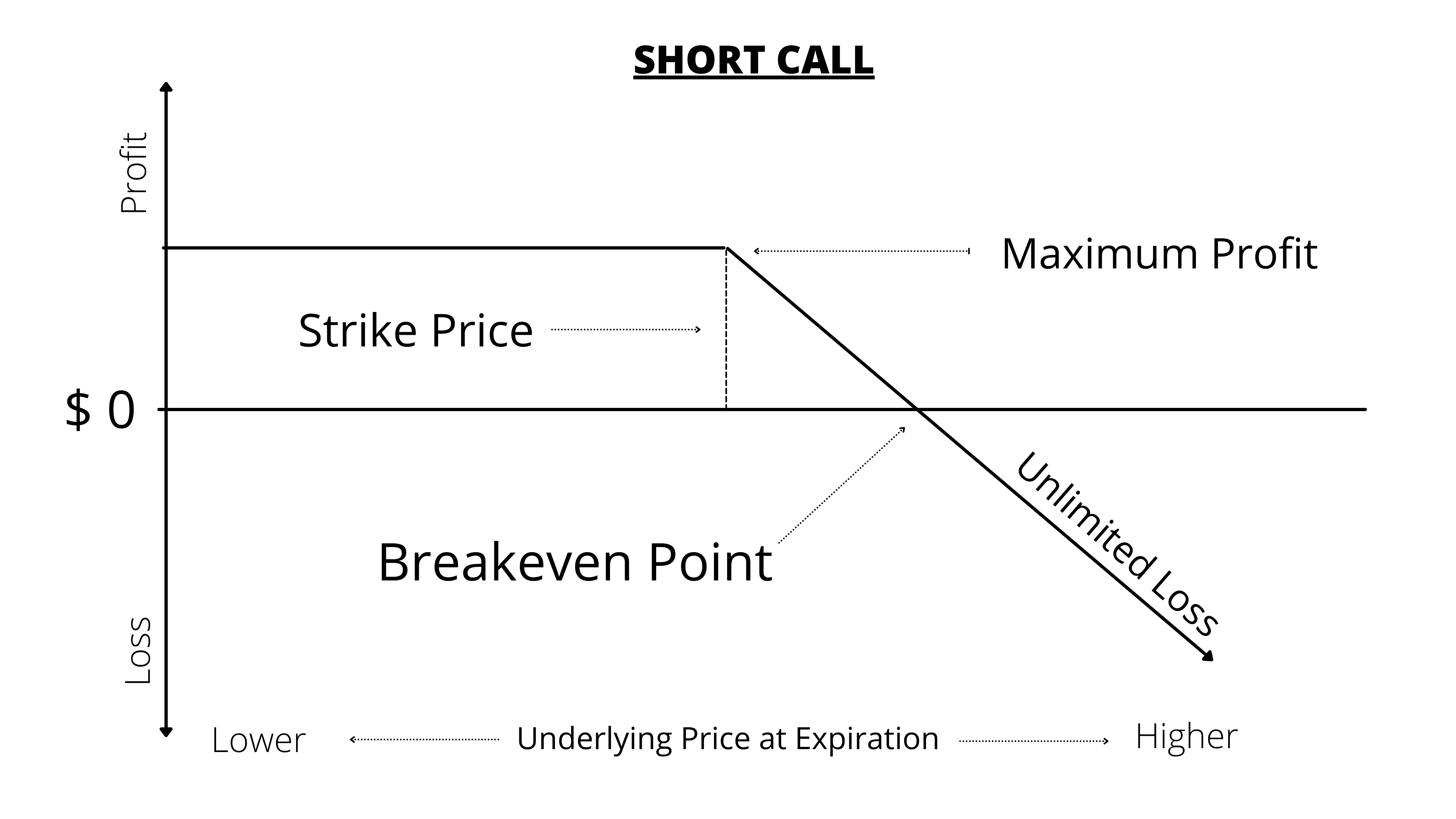
b.  The buyer of the call option has no upper limit on its potential profit and a fixed downside loss equal to the premium.

c.  The seller has unlimited losses and gain limited to the premium.
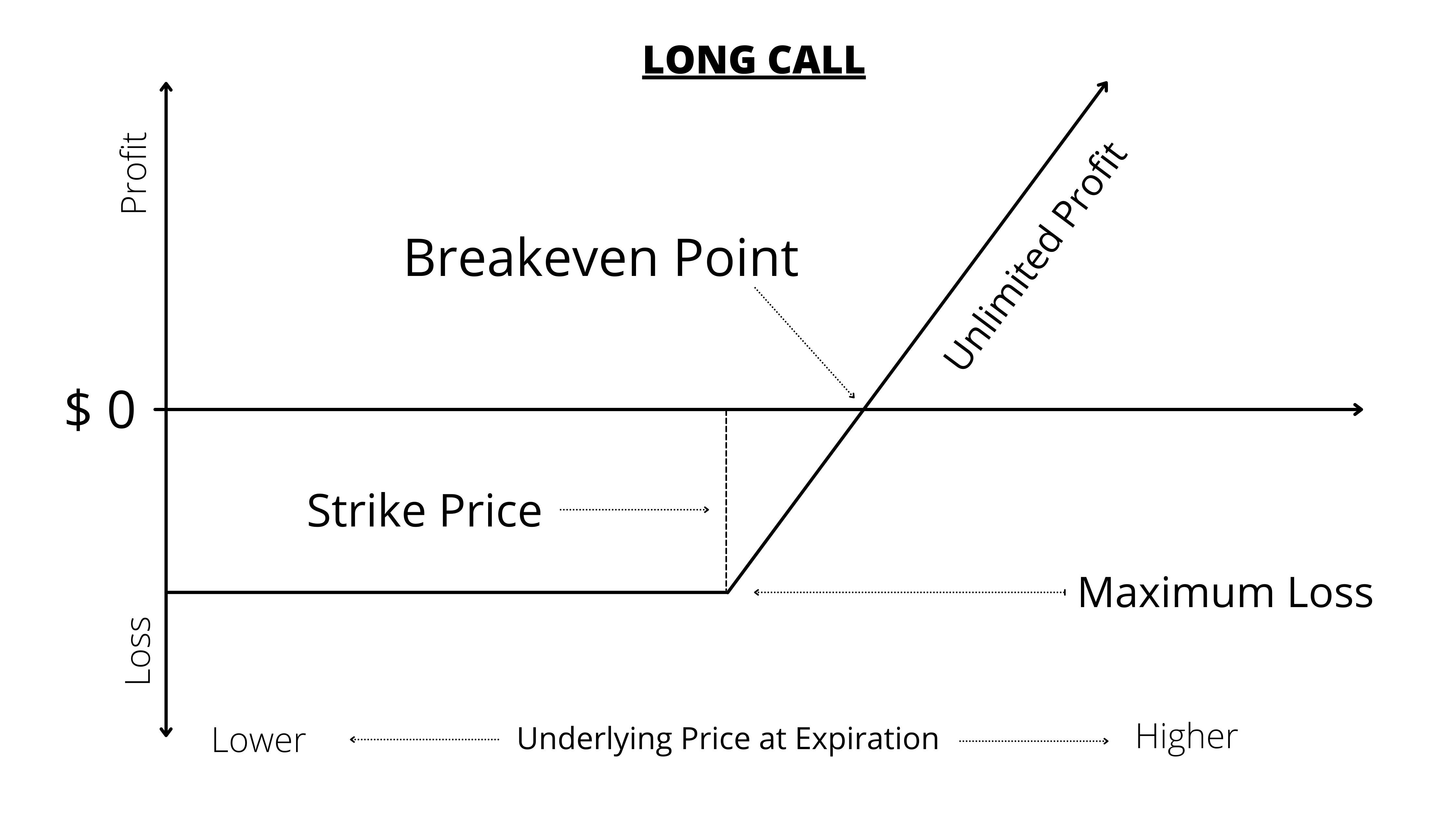
Profit on Call Option - Long Call Derivatives CFA Level 1 Study Notes

Profit on Call Option - Short Call Derivatives CFA Level 1 Study Notes

1.2.           Put Options

In put options, we just have to replace the term “ST − X” by “X− ST”.

1.2.1.       Value at Expiration for Put Options

The payoff and profit profiles of a put option are represented as follows:

Payoff for a put buyer = Max(0, X−ST)

Payoff for a put seller = −Max(0, X−ST)

1.2.2.       Profit for the Put Option

a.  Using the payoff profile and the price paid for the option, the profit equation can be written as follows:

Profit for a put buyer = Max(0, X−ST) – P0

Profit for a put seller = −Max(0, X−ST) + P0

Where P0 is the put premium.

b.  The put buyer has a limited loss and, while not completely unlimited gains, as the price of the underlying cannot fall below zero, the put buyer does gain as the price falls.

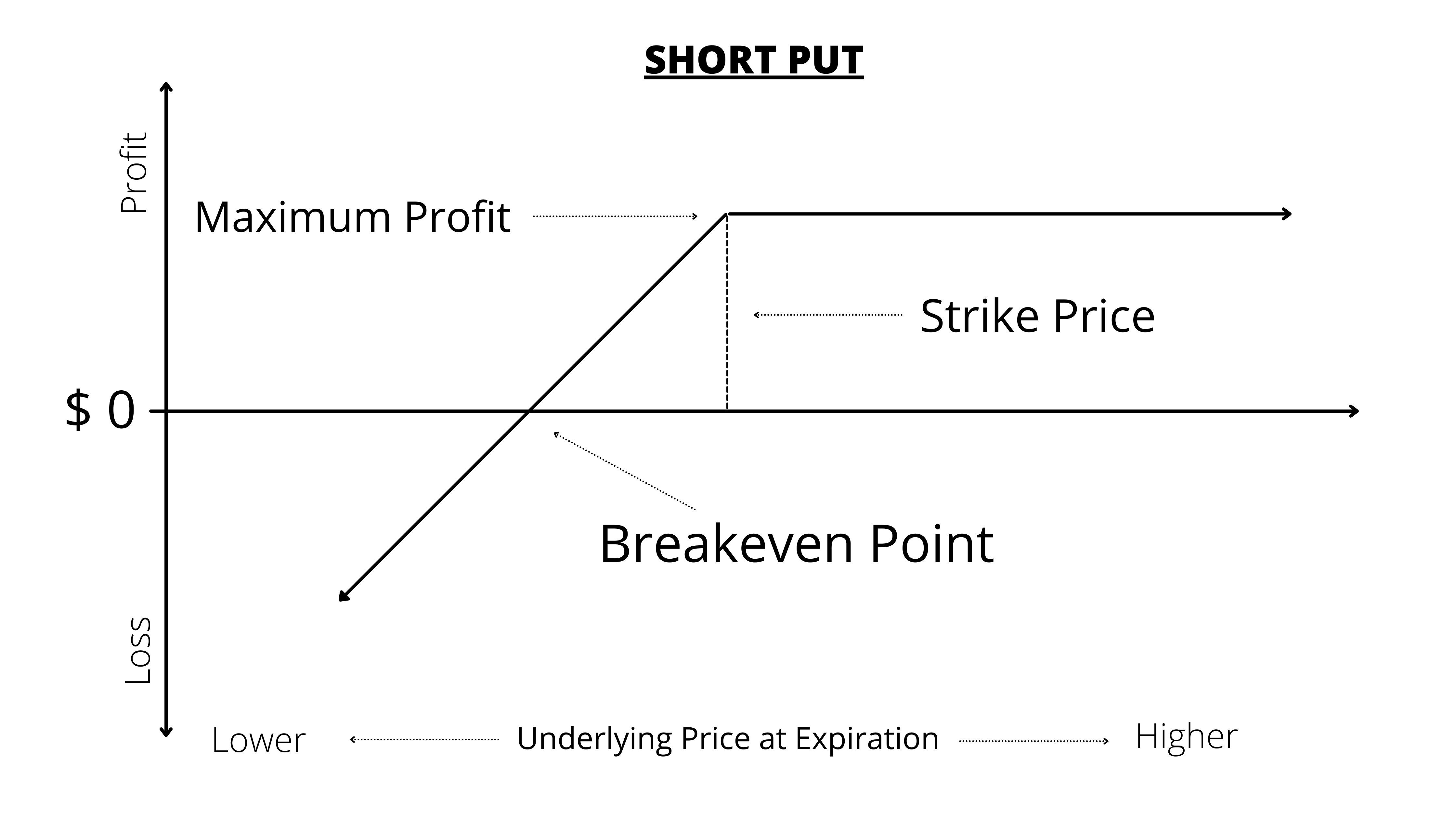
c.  The put seller has nearly unlimited losses and his gains are limited to the put premium paid to him by the put buyer.

Profit on Put Option - Long Put Derivatives CFA Level 1 Study Notes

Profit on Put Option - Short Put Derivatives CFA Level 1 Study Notes